Tuesday, May 29, 2012

Justice, Social Justice, Health, and Health Care, Part III


Health Disparities

Etiologic Agent
# deaths per year
Tobacco use
400,000
Diet/activity
300,000
Alcohol
100,000
Microbial agents
90,000
Toxic Agents
60,000
Firearms
35,000
Sexual behaviors
30,000
Motor vehicles
25,000
Illicit use of drugs*
20,000
What are some of the components of the social determinants of health? They include, certainly, housing, food, warmth, education, the overall treatment of women and especially the education of women. There is evidence that greatest determinant of the quality of a society, and especially its economic standing, is related to the education of women. Let us take the example of “food deserts”. 2.3 million (2.2%) of continental US households are more than a mile from a supermarket and do not have access to a vehicle. There are food deserts not far from me in Kansas City, KS. In a community called “the Argentine”, largely populated by Mexican Americans, it can take more than two hours on 3 buses to reach the supermarket. It could be faster to walk, but hard to carry back groceries. In fact, the inability to carry much on any one trip can lead to fresher food, but this requires availability of stores. In an article in the NY Times (July 31, 2011), Russell Shorto describes “The Dutch way: bicycles and fresh bread”; riding bicycles everywhere not only provides great exercise, but the limited carrying capacity means that the bread – and other food – is fresh daily.

The unequal distribution of the social determinants of health is a major cause of health disparities, as demonstrated in the slides from Dr. Jones, and in a few from Dr. Woolf.  The latter shows us a list of the 9 most common etiologies of death, from tobacco use (400,000 deaths per year) through illicit drugs (20,000, and not including the use of “licit”, legally prescribed, drugs). Seen this way, by root cause (that is “tobacco”, “diet and activity”, “alcohol”) as opposed to medical diagnosis (like “heart disease”, “cancer”, “liver disease”) we get a clearer picture of the true role of social determinants. Only one on the list, (#4, microbial agents) is even considered part of “traditional” medicine. Dr. Woolf also demonstrates the tremendous impact that education has on health with data from the University of California San Francisco (UCSF) Center for Health Disparities that show that 26.7% of those with less than a HS education describe themselves as having “fair” or “poor” health, compared with 5.8% of college graduates, a five-fold difference! The racial and gender difference in age-adjusted mortality rates is also dramatic; the death rate for black males is coming down, but still far exceeds white males and black and white females (and, although the rates for women are lower than for men, they are much higher for black women than for white women).


In a provocative “thought experiment” published in the American Journal of Public Health, “Giving everyone the health of the educated: an examination of whether social change would save more lives than medical advances”[1], Dr. Woolf and his colleagues demonstrate that even if we attribute all current and recent reduction in mortality to medical advances (nowhere near true; most are due to the types of societal change generally characterized as “public health”, such as clean water, sanitation, and cleaner air), eliminating the disparities that exist on the basis of educational level would dwarf that change, as shown in this graphic.

The County Health Calculator produced by Woolf and colleagues from Virginia Commonwealth University, and available free on line,  allows one to look at the socioeconomic status (measured as percent of people with income s >200% of poverty) and education (measured as percent of people with at least some college) for every state and county, and compare it to the other states or counties within a state. A neat “slider” feature allows you to change these rates (e.g., make the rate the same as the best or worst) and see what the change in deaths would be. For Harris County, Texas (Houston) , if 5% more people attended some college and 5% more had an income higher than twice the federal poverty level we could expect to save 1,200 lives, prevent 12,200 cases of diabetes, and eliminate $97.8 Million in diabetes costs every year.

Bradley and Taylor, in an Op-Ed piece in the NY Times, To fix health care, help the poor”, NY Times, (12/8/11) cite their research challenging the simplicity of the notion that the US spends far more per capita on health care than other developed countries. While true on its face, the US spends far less on social services that might decrease the need  for health care; when lumped together, the difference decreases, although the US stands out as being one of very few countries where almost all health+social services spending is on medical care. [2]

A major way to address social determinants and health disparities is the implementation of “health in all” policies, for such things as
·         Land use (what is the density? Are there open spaces? How is space used?)
·         Built environment (are distances to schools and shopping walkable? Are there facilities for exercise?)
·         Transportation (can people get to the store or the park?)
·         Agriculture (what about antibiotic and drug use in raising livestock? How about the conditions of farmworkers, including exposure to pesticides?)
·         Environmental Justice (are there toxins in the environment? Lead? Who is exposed to “brownfields” and do their children have higher rates of cancer? )
·         Health policies (smoking in public places)
·         Taxes (do these encourage or discourage the building of a healthful society?)

Although these areas are outside of traditional medicine, physicians can be involved in addressing them; they are (like Dr. Henry A. Withers, for whom this lecture is named) community leaders who have great moral authority.


[1] Woolf SH, Johnson RE, Phillips RL Jr, Philipsen M.“Giving everyone the health of the educated: an examination of whether social change would save more lives than medical advances”, Am J Public Health. 2007 Apr;97(4):679-83. Epub 2007 Feb 28.PMID:17329654
[2] Bradley E et al, “Health and social services expenditures: associations with health outcomes”. BMJ Quality and Safety 2011 Oct 20(10):826-31.

Friday, May 25, 2012

Justice, Social Justice, Health and Health Care: Part II


This is the second of what will be 4 parts comprising the Henry A. Withers lecture I gave at the University of Texas-Houston Department of Family and Community Medicine. When they have all been posted, I will attach them as a "GoogleDoc".

The Social Determinants of Health

A key measure of Social Justice are the Social Determinants of Health, and manifests, in the negative, as health disparities. Some of the most important  work on disparities was done by the British physician, Julian Tudor Hart. Practicing in the Welsh coal-mining town of Glyncorrwg, Tudor Hart was able to identify who got sick from what, and as the physician for this community, he could identify how it related to their economic and social standing. As an epidemiologist he gathered this data in the pre-computer era, and then expanded it by looking at access to health care across Britain. The result was a 1971 article in Lancet called “The Inverse Care Law”,[1] in which he demonstrated with empiric data that “the availability of health care services is inversely proportional to the need for it.”

A corollary of this law is that the “higher” the level of medical involvement, in terms of both complexity and cost, the lower the overall impact on the health of the population, as demonstrated in this graphic from Dr. Steven Woolf. The greatest determinants of health of the populations are those that come before medical care. This incontrovertible truth is integrally tied to the concept of social justice. The role of social determinants in the health of the population and the production of health disparities was developed as an outstanding cartoon by Camara Phyllis Jones and colleagues, “Addressing the social determinants of children’s health: a cliff analogy.[2]

A link to a powerpoint presentation of these, developed by Neal Palafox and colleagues at the University of Hawai’i Department of Family Medicine, can be found here, and is definitely worth reviewing. In brief, it pictorially demonstrates that all people are at risk for injury or illness, but some live a little closer to the “edge,” which puts them at greater risk of falling off. The same is obviously true for populations who live “closer to the edge”, who are at higher risk for disease – because of genetic risks, environmental risks, and behavioral risks – but also because they have less money, or social support, or greater stress in their lives. Things that, at the best of times, mean they are just able to get by and keep from falling off.
So, what can we do?

·    We can pick up the person, or people, who “fall off the cliff”, who get sick. This is known as “tertiary prevention”, because the bad thing has already happened and we are hoping to prevent complications, prevent it from getting worse. This is where we spend almost all of our “healthcare” dollars.


·    Or maybe we can put up a safety net. You’ve heard of “safety net clinics” and “safety net hospitals”. This can be thought of as a form of secondary prevention – they have already fallen, their high blood pressure or diabetes has become uncontrolled and they are at risk for something really bad, but we intervene. In the nick of time.

·   Or we could actually put a fence up on the edge of the cliff, preventing people from falling off. This is a kind of “primary prevention”.

But there is something else that might even be more effective. We can move these people further from the edge. This “pre-primary” prevention actually involves intervening on the core risk factors for health – addressing the social determinants of health. It is not a major component of our current medical model.

This is what health disparities are about. They are about differences that we could control. About some people living closer to the edge. And maybe the ambulance doesn’t come as quickly; that is, high tech medical care is less available. Or there is no safety net. And not even a fence, primary prevention. All these three are characteristics of access to medical care. Social determinants address health disparities by asking the questions that Dr. Jones asks:  why are there differences in who is found at different parts of the cliff, and why there are differences in resources along the cliff face?

Earlier I mentioned the work of John Rawls, and tried to distinguish between the concepts of intrinsic equality (as in the Declaration of Independence, “All men [sic]  are created equal”), and people actually being equal in all things (including intelligence, wealth, physical ability, genetics, etc.) I noted Rawls speaks of distributing societal goods equally, which is a different thing. I also noted that the principle of “justice” in medical ethics, which I said implies that people with the same conditions be treated the same. This concept is equity. What is the difference between equality and equity? Which should we strive for?

The Declaration of Independence, for example, also states that all men [sic, again] are entitled to “life, liberty and the pursuit of happiness”. It doesn’t guarantee happiness, but suggests some degree of equity, of equality of opportunity. What about when people start, as the folks on the cliff do, from such different places? What are the implications? For example, we have all heard politicians rail against inheritance taxes as “death taxes”, but what does it say about someone who is raised with all the advantages of money – good food, education, support, tutoring – but still cannot compete with a person raised with nothing? Are inheritance taxes good or bad? For myself, I’d say it depends on what we are going to spend the money on. Bombs? Feeding people? Bailing out banks? Housing people?

A key concept, going back to Rawls, is that the exception to the general rule of distributing all social goods equally is when not doing so is to the benefit of the least advantaged. This is also the basis for why for it is a different thing for the underprivileged or oppressed to band together to relieve that oppression or lack of privilege than it is for the privileged or oppressors to band together to maintain it. This is the flaw of the concept of “reverse discrimination”. Is it discrimination if we take away all of the advantages that one group had that another did not? I suppose that it is still a matter of perspective. While I do not know the source of this quotation, I believe it speaks very well to the issue of perspective: “If you’ve spent your whole life with the wind at your back, a calm day seems unfair!”

(to be continued)


[1] Tudor Hart J, The inverse care law”, Lancet. 1971 Feb 27;1(7696):405-12.
[2] Jones CP, Jone CY, Perry GS, “Addressing the social determinants of children’s health: a cliff analogy”, Journal of Health Care for the Poor and Underserved, 2009Nov;20(4):supplement pp 1-12. DOI: 10.1353/hpu.0.0228

Saturday, May 19, 2012

Justice, Social Justice, Health and Health Care: Part I


I was recently honored to be invited by the Department of Family and Community Medicine at the University of Texas Health Science Center in Houston to give their annual "Withers Lecture", which is named for and supported by the family of Henry A. Withers, MD, a family physician and Houston civic leader. My topic was Social Justice and Health. I am "serializing" the talk in this blog, with the first part today. For those who prefer looking a powerpoint slides, they are attached under "Links to documents in Google Docs" in the navigation bar on the left.


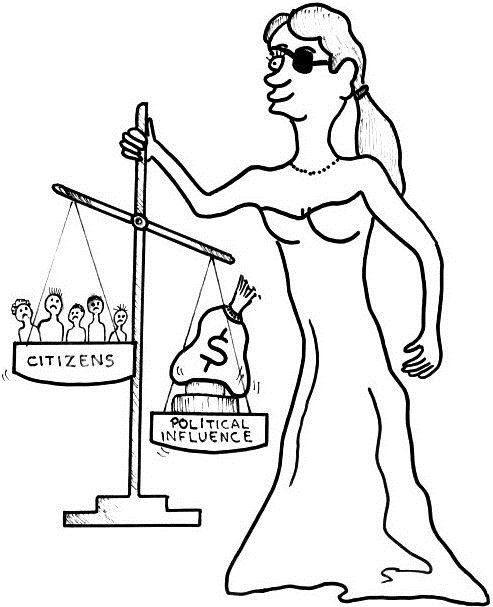
“Justice” is most commonly thought of in terms of courts of law, epitomized by a blind goddess holding a scale – and often a sword. Thus justice can be seen – and is seen by many – as punishment for crime s or transgressions. The rule of law may be necessary for a civilized society, but legal decisions, even in country such as ours, are not always just: think of the death sentences overturned by new DNA evidence, of the cases right here in Texas where a person was convicted of a capital crime while their court-appointed attorney dozed through the trial. Justice is, perhaps, in the eye of the beholder.

In the field of medical ethics, justice is one of the four key principles, but probably the least discussed. We often hear student groups discuss the relative implications of “non-maleficence” (do no wrong) and “autonomy”, as, for instance, when a person wishes a costly intervention that physicians believe will not help and may hurt (the fourth is "beneficence", do the right thing). But “justice” refers to the concept that people with the same conditions should have the same treatments available.  What, then, is “social justice”?

Also known as “distributive justice”, the term social justice was popularized by the philosopher John Rawls in the 1970s, although obviously the concept has been in existence, in one form or another, for centuries. In “A Theory of Justice”, Rawls writes:
“All social primary goods – liberty and opportunity, income and wealth, and the bases of self-respect – are to be distributed equally unless an unequal distribution of any or all of these goods is to the advantage of the least favored.”[1]
While this seems pretty expansive, as it says “distributed equally”, the inclusion of the phrase “to the advantage of the least favored” suggests that things are not completely equal because there are people who are least favored. For example, even in a much more equal society, some people may be suffering from physical or mental challenges that require them to utilize more resources. From a medical perspective, we have to consider whether  people who advocate for the disabled, or the expenditure of large amounts of money for the diagnosis and / or treatment for those who are close to them may see it as their individual “right”, but do not necessarily support other people having the same rights.

A somewhat earlier authority, Franklin Roosevelt, said that "The test of our progress is not whether we add more to the abundance of those who have much; it is whether we provide enough to those who have too little." This does not suggest that everything be divided equally, but makes a different moral claim: that what we do as a society (and it is fine to read “government”) should be to help those who need the help most rather than those who need it the least. Often in history, including today, that concept is rejected by many. In any case it is clear that, today in US, we do not have a system of social justice such as that described by either Rawls or Roosevelt; rather We have a system in which the most privileged exert great influence, and (mostly seem to) use it to increase their privilege. More modern discussions of social justice and medicine can be found in the many writings of Paul Farmer, including Pathologies of Power and Partner to the Poor: A Paul Farmer reader, and in the online journal Social Medicine, published by the Department of Family and Social Medicine at Montefiore Medical Center/Albert Einstein College of Medicine.

What are human rights? The most authoritative modern definition is that of the UN Universal Declaration of Human rights, passed in 1948. Article 25 states that:
“Everyone has the right to a standard of living adequate for the health and well-being of himself and of his family, including food, clothing, housing and medical care and necessary social services, and the right to security in the event of unemployment, sickness, disability, widowhood, old age or other lack of livelihood in circumstances beyond his control.

According to the UN Association of Canada (UNAC), while “originally the Universal Declaration was conceived as a statement of objectives to be pursued by Governments, and therefore it is not part of binding international law…. it is still a potent instrument used to apply moral and diplomatic pressure on states that violate the Declaration’s principles…. in 1968, the United Nations International Conference on Human Rights agreed that the Declaration ‘constitutes an obligation for the members of the international community to protect and preserve the rights of its citizenry.’”

So, then, how is social justice related to health, health care, and medicine? In 1978, the World Health Organization issued the “Declaration of Alma-Ata” (now called Almaty, it was then but is no longer the capital of Kazakhstan which was then but is no longer part of the Soviet Union!). It defined “health” as ““...a state of complete physical, mental and social wellbeing, and not merely the absence of disease or infirmity…” and asserted that it “… is a fundamental human right...” This has been an important cornerstone statement for the development of health care and primary care for the last 40+ years. Primary Health Care, which was also defined at Alma-Ata, is integrally tied to the definition of health:
Primary health care is essential health care based on practical, scientifically sound and socially acceptable methods and technology made universally accessible to individuals and families in the community through their full participation and at a cost that the community and country can afford to maintain at every stage of their development in the spirit of self-reliance and self-determination”
Note here that health care is not limited to medical care, and that it is to be “universally” accessible. This statement makes an effort here to account for the different economic ability of different countries. I once heard a presentation on the Mexican health care system, which seems structured to provide universally accessible care, but does not always achieve this goal.  I concluded that in Mexico, they have the desire to provide universal access, but not the resources, while in the US we have the resources but not the desire. Under a social justice framework, this is far less defensible.

In 1848, the Prussian government sent a young physician named Rudolf Virchow to investigate an outbreak of typhus in the coal-mining region of Upper Silesia. His conclusion, that the social and economic situation of the residents was the main cause, is one of the first clear discussions of the social determinants of health; though he is famous for advancing the Cell Theory and his name is attached to dozens of medical eponyms (Virchow’s node, Virchow cells, Virchow’s autopsy, etc.), he may be best known as the “Father of Social Medicine”. In his report he observes that:
“The physicians are the natural advocates of the poor, and social problems fall to a large extent within their jurisdiction,” and that
“Medicine has imperceptibly led us into the social field and placed us in a position of confronting directly the great problems of our time.”

Of course, today we see much less typhus, but we still see much disease that results from social conditions. And typhus itself is not completely gone. In the 1983 Gregory Nava film El Norte”, one of the lead characters, after finally reaching Los Angeles at the end of a long and grueling journey from Guatemala, dies of typhus contracted when she was crawling through sewers. Would she have gotten typhus if she had not been crawling through sewers? Unlikely. The “medical” question of “why” she got typhus would be that she was bitten by a rat-flea carrying Rickettsia typhae. But we must ask the next question, “where was she that she got bitten by a rat-flea?” and in discovering that it was in a sewer we must ask “why was she crawling through a sewer?” Finally, our question must be “what is wrong with a situation in which a person crawling through a sewer infested with rats, fleas, and Rickettsia typhae is better than the alternative?

{to be continued}


[1] Rawls J. A Theory of Justice. Belknap Press. Cambridge MA. 1971. P. 303.

Saturday, May 12, 2012

Specialty Hospitalists: what is best for the patient?


In a “Viewpoint” article in JAMA, April 25, 2012, John Nelson, Laurence Wellikson, and Robert Wachter discuss “Specialty hospitalists: analyzing an emerging phenomenon”.[1] They describe the progression of the hospitalist model – doctors who just care for patients in the hospital, rather than seeing them also in the office from general medical care to specialty care. They note that in recent years hospitals have hired physicians in a variety of specialties, including neurology, orthopedics, obstetrics/gynecology and others, to take care of patients, particularly at night or in emergency situations, so that other doctors to not have to come in to do so.

An argument in favor of this arrangement is that these physicians are present for urgent events (e.g., the neurology stroke specialist who is there right away to care for a person who comes to the emergency room with an acute stroke) and that they may have specialized knowledge that a more “general specialist” doesn’t. In a useful “box”, the authors summarize the criteria that might be applied to deciding if a specialty hospitalist is a good idea. These include the number of inpatients who might require their services, the urgency of the need for those services (is it a matter of minutes that may save a life?), whether the other specialists are so tied up in the operating room or office that they could not respond promptly, and if there so much “sub-specialization” that many doctors in that specialty would not be capable of addressing the needs that arise in the hospital.

I have previously written about “generalist” hospitalists, (Hospitalists, Dec 4, 2008) and expressed my concerns about this movement from the point of view of the patient. The advantage for hospitals and health systems that employ physicians is obvious – they can have some doctors that work in the ambulatory setting, and some that work in the hospital, and each can be most “productive” in that setting and not have to leave to go to the other, decreasing efficiency.  In theory, at least, the hospitalists are very good at managing the problems of people in the hospital, so quality may improve. And, to be sure, doctors often like it also – it makes their lives easier, or more controllable – they are only responsible for outpatient medicine, and don’t have to travel to the hospital to see their patients, or if they are hospitalists, don’t have to go to the office. While not one of those listed by Nelson et al. as a benefit of having hospitalists, this advantage for doctors is real.They can work set shifts, like many of the most popular specialties such as emergency medicine and anesthesiology and intensive care – and then be off.  

This, of course, leaves the patients. While hospitalized patients certainly want to be cared for by a physician or physicians who are skilled in addressing the problems that they have, it is also often a very scary time, and a good time to have the involvement of someone who knows you, who knew what you were like before you got so ill that you had to be hospitalized. Your primary care doctor, if you are lucky enough to have one. The technical skills of the hospitalist may be fine, but they do not know what you were like before, and will not be involved in your care after, your hospitalization. Plus the same attractions that lead to hospitalists in the first place now have led to a sub-species of hospitalist called “nocturnists”, and mean that you will not necessarily even have the same hospitalist making decisions about your care, even during the day, for the duration of your stay.

In addition, the skill sets of hospitalists vary. Dr. Wachter is one of the founders of the hospitalist movement and heads a long-standing hospitalist service at the University of California San Francisco (UCSF). His 1996 article, The emerging role of "hospitalists" in the American health care system,[2] written with Lee Goldman, is one of the seminal articles in the field. But the results that are achieved by teams of experienced career hospitalist groups such as his, in terms of both quality and cost, may well not be replicated by hospitalists who are just out of their residency training and spending a year working in this role prior to subspecialty fellowships in cardiology or gastroenterology. Nelson, et al., cite a study by Seiler et al. showing that patient satisfaction with hospitalist care is equal to that provided by primary care doctors,[3] but this doesn’t separate out the satisfaction of patients who have primary care doctors who are now not seeing them from those who do not.

That said, I do not have a problem with most specialty hospitalists. Specialists are not generalists, unlike primary care providers, we don’t think that every person should have one of each. The person who comes in to the Emergency Department with an acute stroke and benefits from having a stroke neurologist right there is not likely to have a general neurologist. The same can be said for orthopedics and otorhinolaryngology (ENT) and neurosurgery, among others, or for people who need emergency intervention for an acute heart attack. The case of “laborists” is somewhat different; the women having a baby (arguably the most common reason for people being glad to be in the hospital) who has been followed by an obstetrician or family doctor might well want and expect to be delivered by that doctor (a point acknowledged by Nelson). While many primary care doctors would like to provide this continuity to their patients, they may be unable to in the system they work in. And if it is not their “fault”, it is a pretty guilt-free way to enjoy the benefit.

If the hospitals and health systems make more money and operate more “efficiently” with separate hospitalist and “ambulists” (yes, this term is being used by some!), and if the doctors are happy with the arrangement because it makes their lives more controllable, the boat on generalist hospitalists and “laborists” has probably already sailed, at least in communities large enough for this to be feasible.

Anyone who has flown in and out of the Kansas City International Airport (KCI) knows what a pleasure it is compared to other airports in even relatively big cities. Built on only one level in 3 almost-circular terminals, there are only a few gates for each security checkpoint so the lines are relatively short (compared to, say, the nightmare at Denver International). Once you come in you get off your plane, walk right out into the hall where your baggage carousel is nearby, and then you walk right out to the street (even sooner if you have no checked bag), where you can be picked up or go to your car in the garage right there. It is a true pleasure for the traveler.

But it is not so desirable for the airport and airlines. I have heard that this setup requires more security people than any airport except Heathrow. There are rumblings about redesigning, maybe rebuilding, the airport to make it more “efficient”. Sure, it will be worse for the traveler, but that’s the way it goes.

So maybe you want to ask your doctor if s/he will see you in the hospital. And let the hospital and health system know that you think it is important, too. It is unreasonable to ask your primary care doctor to work a full day in the office and also care for patients in the hospital; that time needs to be built into their schedules by their employers. It could work; you never know. What’s good for people sometimes actually happens.

And if you haven’t flown in and out of KCI, you should do it soon before it becomes Denver. 


[1] Nelson JR, Wellikson L, Wachter RM. Specialty hospitalists: analyzing an emerging phenomenon. JAMA. 2012 Apr 25;307(16):1699-700.
[2] Wachter RM, Goldman L., The emerging role of "hospitalists" in the American health care system, N Engl J Med. 1996 Aug 15;335(7):514-7.
[3] Seiler A, Visintainer P, Brzostek R, et al. Patient satisfaction with hospital care provided by hospitalists and primary care physicians. J Hosp Med. 2012;7(2):131–136, pmid:22042532.

Saturday, May 5, 2012

Value-based purchasing: whose values?


In October, hospitals around the country will begin having their payments from Medicare affected by the Value-Based Purchasing Program (VBP). The plan is that a portion of the money that hospitals would have received (beginning at 1% and rising gradually to 2% by 2017) will be withheld and then re-distributed based on a variety of performance measures, with low-performing hospitals losing money and high-performing hospitals getting bonuses. The measures that will be used in federal FY 2013 (which starts in October 2012) are “clinical process” and “patient satisfaction” indicators; they will be expanded the next year to include also patient mortality, hospital-acquired conditions, and patient safety measures. These are succinctly portrayed in a helpful “box” within the short Perspective “Making the best of hospital pay for performance” by Andrew Ryan and Jan Blustein in the New England Journal of Medicine, April 26, 2012.

Ryan and Blustein review the history of previous “pay for performance” efforts by Medicare, noting that a demonstration project begun in 2004 that required hospitals to report their quality data and paid money to those hospitals that did well had initial success. However, this success was not replicated in the second phase of the project beginning in 2006; while there was “…an increase of nearly 50% in the total amount of incentives paid out…these changes did not catalyze additional quality improvement…improvement relative to comparison hospitals actually declined.” Moreover, a similar “…program implemented by Medicaid in Massachusetts with incentives approximately 5 times the size…also showed that pay for performance had no effect on quality.”

They go on to observe that this is not necessarily a completely fair comparison because, for example, the economy was different in the two 3-year periods (always a problem for research in the real world; it changes!). But they remain guardedly optimistic about, or at least resigned to, VBP; their final line, scarcely a rousing call to action, is “It will be critical to ensure that VBP is as good as it can be.” They call for the Patient-Centered Outcomes Research Institute (PCORI, see Patient-centered research: answering the questions that matter to people, April 22, 2012) to study it.

The other thing that will be important is how well the quality measures actually measure quality. Of the initial two, “clinical process”, which accounts for 70% of the withhold, are the same ones that have been in place for several years (such things as getting a beta-blocker after a heart attack and getting antibiotics within a certain period of time if you are diagnosed with pneumonia). “Patient satisfaction” is also a good thing; clearly we all want hospitals to be clean and quiet and to have doctors, nurses and others communicate with us clearly and completely. Keeping people out of pain in the hospital is also the right thing to do, but sometimes (although more often in outpatient settings) it comes into conflict with efforts to monitor how often doctors prescribe narcotics. In an interesting piece in the “Science Times” section of the NY Times on May 1, 2012, E.R. Doctors Face Quandary on Painkillers by Catherine Saint Louis, an emergency room doctor notes this conflict and observes “If you’re going to criticize me for not giving out narcotics, and you never praise me for correctly identifying a drug-seeker, then I’m going to give out narcotics.” Indeed. While this stimulus-response (known as the Hawthorne effect – behavior changes depending on what is being measured) is the basic idea behind VBP (along with monetary incentives), it illustrates that sometimes incenting a desired behavior can have an unintended negative impact.

In general, hospitals, especially the more financially successful ones, are very good at modifying their behavior in response to economic incentives. While we can hope that this results in higher-quality care for patients, all too often it appears that they are just “gaming the system”, seeking to do only those things that make them money and avoiding patients who may put them at risk. The problem is that not all hospitals are starting off with equal resources, and those with the biggest challenges (in terms of unreimbursed patients) will probably do worse under such a system. While Ryan and Blustein note that “CMS has pledged to monitor whether VBP leads to ‘changes in access to [care] and the quality of care furnished to beneficiaries, especially among vulnerable populations”, the also observe that impact on hospital bottom lines is likely to precede any significant quality changes and that the impact may be particularly great on “…safety net hospitals, which operate of very small margins.”

This is, to me, very important, because these are the hospitals that provide disproportionate care to poor, uninsured, and generally medically underserved people. Because such hospitals are often located in poor neighborhoods or rural areas, or because they depend on (almost constantly decreasing) public funding, they are not among those that already have a robust bottom line and will be able to invest in the equipment and process changes needed to be the “winners” in VBP. They are also likely to have a lower percent of Medicare patients, in part because once people, even poor people, receive Medicare they are no longer uninsured, they can and sometimes do go to hospitals perceived as “better”, and because the proportion of people who are sick enough to be in the hospital despite being younger (under 65) rises as socioeconomic status decreases (see “social determinants of health”, discussed in several previous blogs, including Michael Marmot, the British Medical Association, and the Social Determinants of Health, November 1, 2011 and Social Determinants, Personal Responsibility, and Health System Outcomes, September 12, 2010).

When I first heard of value-based purchasing my initial reaction was both pleased and confused. Wow, I thought, they are actually going to pay for medical care based upon values? I almost immediately realized my mistake – that their main “value” was paying less money. It is possible that the “other kind” of values do play a part; if Medicare is going to pay more for higher quality, or less for lower quality, that is something. But there is another value that is still missing, and that is the value of ensuring that access is high-quality is available to and provided for everyone. Hospitals (the “high end” ones) are already trying to figure out how they can divest themselves of Medicare patients, on whom they already make less money, and replace them with patients with better insurance. To the extent that they are successful, it will just add Medicare recipients to the growing list of “less desirable” patients.

Maybe we need to move to a program in which no people are “less desirable”. Where everyone is covered. Where hospitals that care for the most needy do not suffer as a result; where hospitals that cater to the least needy do not profit from this decision.

Then, perhaps, Medicare – for all – could really base its payments on value, and on values.

Sunday, April 22, 2012

Patient-centered research: answering the questions that matter to people


“Large investments are too often made in studies that provide poor-quality evidence,1 are overtly biased,2 are not applicable to most patients,3 or yield results that do not address the real concerns of individuals facing clinical decisions.4,5 [1] (Patient Centered Outcomes Research Center, JAMA, April 18, 2012)

Indeed. This is not only “too often”, it is in fact characteristic of most research, whether sponsored by the National Institutes of Health (NIH), foundations, or private companies. The reasons for this are that it is easier to do and it relatively well funded (thus the “large investments”).

Many years ago, researchers, particularly those providing primary care, distinguished between “disease-oriented evidence” (DOEs) and “patient-oriented evidence” (POEs, or later, adding “that matters”, POEMs). The first is about showing that a treatment improves a disease. The second is looking at what treatments improve the life of a person. There is a big difference. A simple example might be in looking a regimen for diabetes that minimizes the complications from high blood sugar by keeping the average blood sugar much lower than had previously been the goal (called “tight control”). Disease-oriented evidence might show that using frequent insulin injections to keep the blood sugar in the low-normal range reduces the long-term negative effects of diabetes. A patient-oriented approach, however, looks at the overall impact on the person, not just the disease. Does the patient find it difficult to administer more frequent injections of insulin and check their blood sugar? Do they spend a significant amount of time with blood sugar that is in fact too low (after all, reducing the average increases the probability that sometimes it will be too low), and feel fuzzy-headed and unable to live the lives they wish to? Or feel dizzy? Or that a certain percent actually pass out from low blood sugar? Maybe break their hips and end up in the hospital or even dying from its complications? Even though their diabetes is in “good” control? “The disease was controlled but the patient died from a complication of treatment” is not a desirable patient-oriented outcome!

The motivation for private companies, most often pharmaceutical companies, to fund disease-oriented research is fairly obvious. Their sole agenda is to make profit, so they are interested in supporting research that shows that their drugs are effective for treating certain conditions. They have a number of advantages in this arena:
·         Showing “effectiveness” requires, by FDA criteria, only to show that a new drug or other treatment is more effective than placebo, not than the currently available treatments;
·         Since they are paying for it, they can suppress the publication of results that do not show their drugs in a good light;
·         They have to show only that it modifies the disease, not that it is the best choice for any individual patient (thus it is Disease-oriented, rather than Patient-oriented);
·         In lieu of patient-centered research, they have huge marketing budgets (far in excess of their research budgets) to advertise their products to both providers and directly to patients once they have been approved by the FDA.

Why NIH would mostly fund this sort of research is more complicated. Part of it is that an entire industry has been built around doing disease-oriented research, largely in biological science laboratories, but also in doing clinical trials in people. Thousands of academics and the institutions at which they work are dependent upon such funding to maintain and advance their careers and institutions. The review committees that make recommendations to approve or disapprove funding are “peer” committees, made up of people who do, largely, the same kind of work. This is good because they can understand and evaluate the science involved (a really bad thing would be for a group of politically-appointed ideologues to make the decisions, and this sometimes has occurred), but they are limited by their understanding of how research is done and what its goals should be. This relates to a second challenge – patient-oriented research is more complicated, more difficult to do, and leads to less “clear” outcomes. Of course, it is more relevant to patients and their providers making decisions about their care, but it is harder to fit into a rigid research model in which all but one variable is tightly controlled. This can lead to research that is done because it is possible to do it, rather than because it answers the questions that we have (see “Defining Streetlight Research”, February 26, 2009). Most traditional NIH researchers have no objection to patient-oriented research, but in an era of limited funding availability might be quite concerned if funding it decreased the amount available for the kind of work that they do.

Trying to address this, the Affordable Care Act of 2010 established the Patient-Centered Outcomes Research Institute (PCORI) to apply the rigorous standards of Clinical Effectiveness Research (CER) to treatment of patients, not diseases. One clear need here is that people, particularly older people, often have more than one disease. The “right” treatment for a patient’s cancer needs to take into account its effect on his/her diabetes – or heart disease, hypertension, arthritis, depression, alcoholism, glaucoma, poverty, and yes, maybe, another cancer – in any or all combination. Because we care for the person, who may have any or all of these conditions, primary care doctors are likely to be more sensitive to these interactions than are physicians caring for only one of them. It is for this reason that we have advocated for a National Center for Primary Care to look at the comprehensive care of patients differently than the existing disease-oriented Centers (e.g, the National Cancer Institute, the National Center for Heart, Lung and Blood Disorders, the National Institute of Mental Health) have.

The article in the April 18, 2012 issue of JAMA from which the opening quotation is drawn, “Methodological Standards and Patient-Centeredness in Comparative Effectiveness Research”, includes the following case as an example:
A 78-Year-Old Man with Heart Failure, Diabetes, and Renal Failure. Mr B was admitted to his local hospital for the fourth time this year. Mr B experienced symptoms of shortness of breath and weight gain that led him to contact his physician, who recommended another hospitalization. He lives with his wife in a 2-story house located 30 miles from the hospital. He has recently been unable to climb the stairs to his bedroom. Mr B requires outpatient hemodialysis 3 times per week, but missed his last dialysis treatment because he felt too tired to go. This is his second hospital admission after missing a dialysis appointment. After each admission, Mr B received standard discharge instructions on how to care for himself at home. Mr B's highest priority is his independence, including the ability to drive and to remain in his own home.”
To make appropriate decisions about Mr B’s care requires not only considering the interplay of his several chronic diseases, but the circumstance of, and his own preferences and goals for his life. This cannot be done by employing solely the findings of disease-oriented research.

PCORI is not a National Institute for Primary Care, but it may help to achieve some of the same goals. In the same issue of JAMA, Joe Selby (the director of PCORI) and colleagues list the both the statutory criteria for PCOR-funded research:[2]

  1. Effect on the health of individuals and populations
  2. Probability of improvability through research
  3. Inclusiveness of different populations
  4. Current gaps in knowledge/variation in care
  5. Effect on health care system performance
  6. Potential to influence decision making
  7. Patient-centeredness
  8. Rigorous research methods
  9. Efficient use of research resources

and their proposed priorities for national research:

  1. Assessment of options for prevention, diagnosis, and treatment
  2. Improving health care systems
  3. Dissemination and communications research
  4. Addressing disparities
  5. Accelerating patient-centered outcomes research and methodology

None of these are disease specific, although unquestionably much of the research that is funded by PCORI will look at people with specific diseases. These criteria, however, recognize the need for treatment plans to take into account all aspects of a person, and by extension the family and community of which they are a part. This includes addressing the disparities that exist between groups, especially poor and minority groups; that is to say, addressing issues of social determinants of health and social injustice.

Maybe we will finally get funding for studies that provide us will more useful information for caring for actual people.


[1] Methodology Committee of the Patient Center Outcomes Research Institute, “MethodologicalStandards and Patient-Centeredness in Comparative Effectiveness Research”, JAMA, 2012;307(15):1636-1640. doi: 10.1001/jama.2012.466.
[2] Selby JV, Beal AC, Frank L, “The Patient-Centered Outcomes Research Institute (PCORI) National Priorities for Research and Initial Research Agenda”, JAMA 2012;307(15):2583-4. Doi: 10.1001/jama.2012.500

Saturday, April 14, 2012

"Eggs Benedict" and "Choosing Wisely": often the best thing to do is nothing


Years ago (OK, decades ago), when Woody Allen was a standup comic, he did a short, famous bit called “Eggs Benedict”. The narrator (let’s say “Woody”) is having pain in the chestal area (a great formulation which has long been popular in my house). He is pretty sure it is heartburn, but is worried and doesn’t want to pay the $25 to see a doctor (I told you it was a long time ago). Luckily his friend, Eggs Benedict, is having the same kind of pain. He figures if he can get Eggs to go to the doctor, he can find out what it is and save money. It works, and Eggs finds out it is heartburn. Two days later, he discovers Eggs is dead. He immediately checks into the hospital, has all kinds of tests, and discovered he has – heartburn. The bill is $110 (it was a really long time ago!) He goes to see Eggs’ mother and asks if his friend suffered much. “No,” she says, “the car hit him and that was it!”

I was thinking about this story when I was asked to call into a local radio talk show to comment on “Choosing Wisely”, an initiative of the American Board of Internal Medicine (ABIM), which calls on medical specialty societies to list 5 tests or treatments frequently performed in their specialty that they recommend not be done, or not be done on most patients. In the recently released report, 9 medical specialty societies are represented, for a total of 45 recommendations, which can be found here. The 5 for my own specialty, Family Medicine, listed by the American Academy of Family Physicians’ (AAFP), were:

1.  Don’t do imaging for low back pain within the first six weeks, unless red flags are present.
2. Don’t routinely prescribe antibiotics for acute mild-to-moderate sinusitis unless symptoms last for seven or more days, or symptoms worsen after initial clinical improvement.
3.  Don’t use dual-energy x-ray absorptiometry (DEXA) screening for osteoporosis in women younger than 65 or men younger than 70 with no risk factors.
4.  Don’t order annual electrocardiograms (EKGs) or any other cardiac screening for low-risk patients without symptoms.
5. Don’t perform Pap smears on women younger than 21 or who have had a hysterectomy for non-cancer disease.


Each is backed by the evidence, and is accompanied by a summary of the reasons. For example, for #2: “Most sinusitis in the ambulatory setting is due to a viral infection that will resolve on its own. Despite consistent recommendations to the contrary, antibiotics are prescribed in more than 80 % of outpatient visits for acute sinusitis. Sinusitis accounts for 16 million office visits and $5.8 billion in annual health care costs.” Big money for a treatment that doesn’t work, and can cause bad side effects (allergies to the antibiotics and increased resistance of bacteria to antibiotics, for two).

The talk radio hosts had questions, especially about treatment of cancer. One of the American Society of Clinical Oncologists’ (ASCO) recommendations is “Don’t use cancer-directed therapy for solid tumor patients with the following characteristics: low performance status (3 or 4), no benefit from prior evidence-based interventions, not eligible for a clinical trial, and no strong evidence supporting the clinical value of further anticancer treatment.”  That seems like a no-brainer to me, but they wanted to know “What if a patient wants treatment for cancer anyway?” I said I thought it was the responsibility of the doctor to point out that the treatment would not help, and would not only cost money but would have a lot of toxic side effects; I said that I thought most people, if they knew they were going to die from their cancer and the treatment would not help, would not wish to spend their last days and weeks nauseated, losing their hair, and being unable to interact comfortably with their loved ones.

The radio hosts also said “We are always told patients should be self-advocates. What if advocating for ourselves we say we want antibiotics for our sinusitis?” I said that self-advocacy was really important, because no one but the patient and their family could really identify what their health goals were. But this was different from deciding what treatment you wanted; going to the doctor is not going to the grocery store with your shopping list that may include both healthful and bad-for-you foods. It is critical that you identify where you want to go and work with the doctor, or other provider, to come up with a plan that is mostly likely to get you there safely and effectively.

Coincidentally, the same week I facilitated the discussion about futile treatment at the end of life for a group of third-year medical students in their medical ethics course. They had just received a lecture from a distinguished medical oncologist, who presented the four core principles of medical ethics: Autonomy, Beneficence (do good), Non-maleficence (do no harm), and Justice. They also read several articles documenting cases in which end of life decision-making did not go smoothly or well, and the article “How Doctors Die” by Ken Murray, that I have previously discussed (How people die, and how should we?, April 7, 2012). One of the cases involved a patient with terminal cancer who had already failed treatment, and for whom further treatment would be futile (although not without adverse effects). He had agreed to hospice, and to comfort care, until a relative (a physician!) came to town and demanded additional treatment for him, and convinced him to as well.

The medical students, who had  all been through clinical experiences and most of whom had been part of teams that confronted dealing effectively with dying patients, were in agreement with the physician in the article, and with each other, that the treatment was futile and would be a bad idea. However, several felt that, if the patient demanded it, the principle of Autonomy required that it be given. Others noted that this might violate the principle of Non-maleficence. I pointed out that that there were many areas in which we do not allow the patient to pick his/her treatment of choice. For example, we do not allow people to walk into a pharmacy and buy narcotic pain relievers without a prescription, no matter how much they might want them. Certainly the effects of chemotherapy poisons were at least as great.

These are not always easy decisions, but it is one of the reasons being a doctor is hard, respected, and well-paid. If everything were a simple algorithm and one could just memorize the right answer as these medical students were expected to do so often on their multiple-choice tests, it could be done by someone with much less training. Sure, it is possible that someone getting antibiotics for viral sinusitis to get better – indeed they usually do, with our without the antibiotics. Temporal association is not cause. Thus, even when you do the right thing, based on the evidence, and do not get a test or treatment, it is still possible that you will end up worse.

As Eggs and Woody discovered.

Saturday, April 7, 2012

How people die, and how should we?


On January 4, 2012, "How Doctors Die"; post on Zocalo Public Square by Ken Murray, I called attention to “How doctors die: it’s not like the rest of us, but it should be” a very articulate discussion by Dr. Murray about how the physicians he knows generally eschew “heroic” interventions at the end of life. This is because they know how futile, and often painful, such interventions can be and how disruptive they can be of the little time that they have left. Physicians know more than most other people about what is likely to work and what is not; they also know more about what is likely to just cause discomfort. I hope that Dr. Murray’s article will be widely read by both the physicians who make recommendations for patients at the end of life and the non-physician public who make decisions about what they want for themselves and their loved ones.

A version of Dr. Murray’s piece later appeared in the Wall St. Journal on February 25, 2012 with the headline “Why Doctors Die Differently”. It is discussed by Dr. Kenny Lin in his blog, Common Sense Family Doctor, Addressing gaps in end-of-life planning”, March 15, 2012. Dr. Lin focuses on the important issue of “advance directives”, which includes Living Wills and Durable Powers of Attorney for Health Care (DPOAs), mechanisms through which people can help to ensure that their wishes for how they want to be treated – or not treated – at the end of their lives are honored, even when they themselves are not able to make specific decisions. A DPOA designates one person – one with whom, hopefully, you have had serious discussions about what you really want – to be your decision maker. This is very important; while under the law spouses have the right to make decisions, when there is no spouse and are multiple adult children there is no provision for who decides other than DPOA. There is no provision for a majority vote. While it is always best if everyone in the family agrees on a course of action, it doesn’t always happen. There may be several children in agreement, and one who wants something different. Sometimes this ends up in court, with a judge deciding. This is not the best scenario, which is why there should always be a DPOA. It does not solve every problem, but it definitely helps to have a specified decision maker. This issue is also addressed, from a patient and family perspective, in a recent NY Times Op-Ed by Sylvia Jacoby, Taking responsibility for death (March 31, 2012).

Such planning, however, requires thinking about hard issues. You have to decide if you want to have cardiac resuscitation if your heart stops, or be placed on a ventilator (breathing machine) when you can’t breathe on your own, or be “fed” through your vein when you can’t eat. These are all legitimate medical interventions that can have real value when there is an acute problem that is likely to be reversed (someone is temporarily unable to eat or swallow, or breathe on their own, but are likely to be able to in time). Cardiac resuscitation, which involves electric shocks and chest compressions, contrary to what you see on TV shows, hardly ever “works” when applied to people at the end of life whose body is in the process of dying, if by “work” one means a reasonable period of survival. It sometimes gets the heart re-started, but most of the time it happens again. A small percent of people who receive this treatment leave the hospital, and very few are back to “normal”. It is great to do for healthy younger people who have an episode of trauma (like on TV) but is unlikely to have benefit for folks at the end of life.

So why do we do it? Not only cardiac resuscitation, but so many other interventions that are of little or no benefit, especially when the body is suffering from the failure of multiple organ systems. And when, as indicated by Murray and Lin and many others, it is not what doctors want for themselves? As usual there are many reasons. Part of it is that doctors are, by and large, trained to do “whatever can be done” if there is “a chance”. However, a chance of what? This is a big question. To stay “alive” but unaware of one’s surroundings (from dementia, coma, or both), on a ventilator, and often in pain, for a few days, hours or minutes?  Even when doctors think about this issue, they often worry that if they don’t do something, they may be criticized, or even sued, by the patient’s family; they tend to go with the idea that doing something is always safer (from this point of view) than doing nothing.

The whole field of palliative care exists to help people and their families get through the inevitable process of dying with dignity, but there are far too few palliative physicians relative to the number of doctors trained to “do something”. Years ago, a co-worker’s elderly mother was dying in the intensive care unit (ICU). I went to visit. The woman was very far gone and unable to understand anything; the family, several adult children, was being asked to give permission for a fairly invasive procedure. They had been told it might “help”, and asked me what I thought. I was pretty sure it wouldn’t, but first checked with the doctor to see how he thought it would. I then spoke with the family and asked what “it might help” meant to them. They said that they hoped that it would make her “better”. I asked if this meant that she might become conscious, alert, maybe be able to talk with them, maybe be able to say goodbye one last time before she died? Yes, that is what they meant. I gently explained that this procedure might help correct some laboratory values, but that there was no way it was going to make her “better” in the way they hoped, although there was a good chance that she would still experience the pain associated with doing it. They opted not to have it.

Why didn’t the doctor make this clear to them? Perhaps it was because he was young, and wanted experience doing the procedure, and really thought that making lab tests better was “helping”. (There is an old joke that at Harvard students and residents were always pressured to make sure their patients had normal laboratory tests; the patient might die, but it was critical that they did so with their electrolytes in “perfect Harvard balance”.) Perhaps he had been trained to always “do something”. Perhaps he saw this large, hovering family and was concerned that they would be upset, might sue, if he didn’t.

Or perhaps he didn’t know how to talk to them. Is there a social justice issue here? After all, death comes to everyone, and as Dr. Lin points out, advance directives are important for all people to have, not just members of communities that have suffered health disparities. But often the social class or ethnic difference between doctors and patients makes communication more problematic, makes it harder for doctors to know how to best address what are already difficult issues, makes patients’ families suspicious of whether a treatment being offered is “research” being done on someone because they are poor or minority, or, alternatively, whether a treatment is not being offered for the same reasons.

I have cared for many people who were dying but whose families wanted more done. People who already had advanced dementia and whose physical bodies were falling apart. People whose heart and kidneys and lungs were failing, who couldn’t swallow and might choke on even a small amount of food, but whose families believed that if we didn’t do a surgical procedure to poke a hole directly into their stomach we would be starving them; who thought that if we didn’t plan to do cardiac resuscitation or given antibiotics for a possible pneumonia, that we would be killing them. Sometimes I am able to point out that death happens to everyone, and that having your heart just stop, or having pneumonia, or not being fed, are relatively easy painless and natural ways to die. Sometimes I am believed and sometimes not.

While there are, of course, times when a family member is truly “crazy”, paranoid or delusional, a more common issue is that they are just acting out their guilt. The stereotype (because it often happens) is the “son from California”, who flies in at the end of life, has usually not been involved in the care of his parent for years while a sibling (usually a sister) was doing all the work, and who now wants “everything done”. (A really good reason for one person to be designated DPOA.) But sometimes there is simply a trust issue, not being sure that the doctor, especially one from a different class, race or ethnic background, is really treating their parent with the respect that they deserve, with the respect they would give to one of their own family members.

Perhaps if more people understood what Dr. Murray is saying about what it is doctors really want for themselves and their families, or if their doctors took the time and energy and effort to explain it to them, folks would be more able to believe and accept it when the best course is not to do any more.

Total Pageviews