Saturday, June 16, 2012

Beyond Flexner: Taking the Social Mission of Medical Schools to the next level


In my blog entry for June 20, 2010, A New Way of Ranking Medical Schools: Social Mission, I discussed the article by Mullan, Chen and colleagues that had just been published in in the Annals of Internal Medicine, “The social mission of medical education: ranking the schools”. That seminal article provided concrete data on how medical schools ranked based on 3 criteria related to social mission: percent of underrepresented minority students in their classes, percent of graduates practicing in health professions shortage areas (HPSAs) and percent of their graduates actually practicing in primary care following their residency training. Unsurprisingly, the schools at the top of these rankings were a very group than those at the top than of more traditional rankings, such as US News and World Report, which are based on criteria like reputation, selectivity (what percent of applicants are rejected?) and research funding from the National Institutes of Health (NIH). Indeed, those schools that tend to rank at the top in the latter set of criteria were generally at the bottom of the list in social mission.

It didn’t make those traditional "powers" happy to be ranked at the bottom, and so they did the two things usually done by people and organizations who are found to be lacking by the data: they denied that it was true, that somehow the data was wrong, and they attacked the values of social mission, saying, in essence, that the characteristics being measured by the social mission rankings were not the important ones. The important criteria, of course, were those in which they -- the schools ranked low in social mission and high in traditional rankings – did well. Denying the truth of the study was hard, because the statistics used for measuring the 3 social mission criteria were not inaccurate. Mostly, then, their argument was “Oh, that data is old. We are better now!” But the reason the authors looked at graduates from 1999-2001 was that it allowed them to see several years after completing their primary residency training, not only whether graduates were really practicing in HPSAs, but whether they were really practicing in primary care. Medical schools like to count all students entering internal medicine residencies as “primary care”, when only a small percent do not enter subspecialty fellowships or practice as hospitalists and actually end up in primary care. And, in fact, in that 8 year interval, in the first decade of the 2000s, the numbers got worse.

So these critics mostly focused on the second defense, downgrading the importance of social mission. The measures they suggested (which they do well on) were: 1) getting a lot of money to do research (a little self-fulfilling, since the NIH panels that award research grants are largely staffed by people at the institutions that get research grants; in addition, this research is overwhelming done in the basic biomedical laboratory or early clinical trials, not in the community or the general population); 2) having a great reputation so that faculty who want to get big research grants want to come work there and students with high grades, mostly from the elite upper and upper middle class, want to attend, and 3) having a great reputation, so “peer” evaluators will say “yeah, you’re good!”

One can reasonably argue that the 3 criteria examined by Mullan and colleagues do not completely reflect the social impact of medical schools. Other criteria might include creation of community training experiences, community involvement and engagement in providing venues for training and in determining the type of research carried out by medical school investigators, the degree to which research and programs carried out by the medical school decrease health disparities, and the degree to which the health of communities and populations are increased by the activities of the medical school in practice, research, and education. However, these are not the criteria that the traditional “top” schools want to be evaluated on. The fact is that they are doing what they do, and what they do does not address diversity of the workforce, disparities in health, community involvement, or modern models of interprofessional education.

The next step in the Social Missions of Medical Education movement occurred in Tulsa, OK, May 16-18, 2012 at the “Beyond Flexner” conference. 100 years ago Abraham Flexner was commissioned by the Carnegie Foundation to look at medical education in the US. As a result of his report, more than half of US medical schools closed. Those that remained were largely the ones that had adopted a scientific basis for their medical education and were based in or tightly tied with research universities. For over a half-century, these schools grew with emphasis on the biomedical research enterprise and the training of highly skilled subspecialists, and little interest in any kind of social mission. The social movements of the 1960s and 1970s saw the first large number of new medical schools, and then quiescence until this decade, with a number of additional schools being created. Many of those in both the 1970s and 2000s groups manifested, at least initially, a social mission – that is, they had the goal of actually producing doctors and research that would improve the health of the population.

“Beyond Flexner” was co-sponsored by Mullan’s Medical Education Future Studies group from George Washington University and the new University of Oklahoma-Tulsa School of Community Medicine, led by Dr. Gerry Clancy, President of OU-Tulsa. Under Dr. Clancy, OU-Tulsa has transformed from a site for clinical training of a portion of the students from the OU School of Medicine in Oklahoma City to become the first 4-year school officially called “Community Medicine”. It was also one of the 6 schools that were part of the follow-up study of social mission, and whose leaders presented some of their innovations and successes at the conference. Three, including OU-Tulsa, Florida International University, and the AT Still College of Osteopathic Medicine in Arizona, are in the newest group, and have yet to graduate a class. Their contribution was largely in the creative and innovative methods that they are using to select and enroll and educate students, emphasizing diversity, community-based education, dispersion of educational settings, ambulatory (rather than hospital-based) training, emphasis on primary care and concern for the social determinants of health and health disparities. (A fourth new school, the University of Northern Ontario, in Canada, was also part of this group.)

The 3 other schools were part of the prior wave of new schools created in the 1970s and have had significant social impact, Morehouse University, the Southern Illinois School of Medicine, and the University of New Mexico School of Medicine. These are certainly not the only schools that have made a major commitment to social mission, and perhaps they are not in all respects the perfect exemplars, but they are certainly among the leaders in the field. They are part of an international movement of medical schools that were founded in the same period, to create physicians who would have the skills to care for people (primary care), have the knowledge to do research on community and population health, have the relationships to train and work with people in community settings, and have the intelligence to challenge traditional methods of classroom teaching by increasing clinical and interprofessional training experiences. Representatives from these and other schools described pipeline programs, interprofessional training, dispersion of training sites, innovative curricula, emphasis on primary care, and many other models and efforts.

The bottom line is that outcomes matter, and that judging a school by the impact that it has on the health of the population is the gold standard. Biomedical research contributes important knowledge that may, someday, impact human health, but this can be done in research institutes (see, for example, Karolinska, Rockefeller, Insitute Pasteur, Stowers) and certainly should not determine the core mission of schools focused on training doctors and other health professionals. The steering committee of “Beyond Flexner” is developing key principles that need metrics to assess outcomes; I would suggest the following:
·       Diversity: How does the school produce a health workforce that looks more like American by enrolling, and supporting, a group of students that is truly diverse in ethnicity, gender, socioeconomic status, and geographic origin?
·       Social Determinants of Health: How does the school teach about and train students in, and carry out programs aimed at addressing, the social determinants of health? How does its curriculum and work invert that of the traditional medical school, which focused most on tertiary hospital-care, and emphasize instead ambulatory  care, community based interventions, and interventions on the most important health determinants including housing, safety, education, food, and warmth?
·       Disparities: How does the school, through its programs of education and community intervention, and its research agenda and practices, work to reduce disparities in health care and health among populations?
·       Community Engagement: How does the school identify the community(ies) it serves and how does it involve them in determining the location of training, kinds of programs it carries out, and in identifying the questions that need to be answered by research?

Maybe by the time of the next “Beyond Flexner” conference, every one of our medical education institutions will have bought into these principles and their implementation, and be able to be examples of how it can and should be done.

Sunday, June 10, 2012

Improving health in poor countries -- and reducing it in the rich


I have recently published the text of my “Withers Lecture” on Social Justice and Health, given at the University of Texas at Houston. In its May 16, 2012 issue, . JAMA published two important “Viewpoint” articles: “Policy making with equity at its heart”,[1] by Michael Marmot, FRCP, and “Primary Health Care in Low-Income Countries: Building on Recent Achievements”,[2] by Jeffrey Sachs, PhD. It is gratifying that these two major figures are writing about the same issues that I am; after all, I cite Dr. Marmot (Sir Michael) in my talk, both for his seminal work on the impact of social class on health (the “Whitehall studies”) and his more recent work as President of the British Medical Association in taking the lead on involving the medical community in addressing the social determinants of health. Dr. Sachs, of the Earth Institute at Columbia, is one of the most important thinkers and actors in the field of international health.

But, in another sense, I am sobered by this, because it is often true that an outpouring of articles citing the evidence for the importance of social action, whether from leaders such as Drs. Marmot and Sachs in JAMA or by bloggers such as myself, are stimulated by attacks and cut-backs in these areas which have already resulted in pain and suffering. Dr. Sachs’ piece is, in this sense, more positive; he reviews successes that have been achieved in poor countries by the use of primary health care strategies. Much of this success has been in “Group I diseases [which] include communicable, maternal, perinatal, and nutritional diseases”, and which he points out are very susceptible to improvement with quite low levels of investment. The successes he points to include reducing the infant mortality rate in many countries (“In the least developed countries, approximately 112 of every 1000 children die before their fifth birthday, as opposed to 8 per 1000 in the developed countries. With a concerted science-based effort, the under-5 mortality rate of the least developed countries could be reduced to less than 30 per 1000 by 2020. Such low under-5 mortality rates have already been achieved, for example, by the Dominican Republic (28 per 1000), Mexico (17 per 1000), and Thailand (13 per 1000).”) He also addresses the issue of malaria, one of the world’s great killers: “Malaria deaths in Africa have declined an estimated 30% from their peak around 2004 with the partial deployment of this new and evolving system.” His article is positive and optimistic, particularly when examining the relatively low cost of interventions that will have such great impact: “Small investments in improved health of the poor have a remarkable return in reduced morbidity and mortality.”

Whether those small investments will continue to be made, however, is an open question. The flamboyant, aggressive, and unabashed attacks on people demonstrated in many laws passed on both the Federal and state level in the US, and the dramatic cuts in social services that have occurred here and in Europe as a result of “austerity” policies”, challenge our ability to maintain health even in developed countries. This is a focus of Dr. Marmot’s article. In a pointed and engaging opening, he writes “In India, there is a cabinet minister for social justice. Would that it were catching, and spread to all government ministers. What a thought: social justice at the heart of all government policy. It would be a radical change from the current set of arrangements, in which many governments are unashamed apostles of self-interest—of their countries, of their partisan supporters or, indeed, of self-interest as a political creed. Given the link between social and economic policy and the health of populations, all ministers should see themselves as ministers of health.”

What a thought, indeed! Dr. Marmot, like Dr. Sachs, cites a list of health problems that could be largely addressed by social intervention and a concern for equity. Unlike those on Dr. Sachs’ list, however, these are interventions are being curtailed rather than expanded. He cites the report “Closing the Gap in a Generation” from the World Health Organization’s (WHO) Commission on the Social Determinants of Health (CSDH) and emphasizes that “…although traditionally efforts to prevent ill health have focused on causes—such as inadequacies in sanitation, nutrition, and shelter in deprived populations, and on unhealthy environments and behaviors among those not deprived—focus should shift to the causes of the causes.” And the cause of the causes is social and socioeconomic inequity – not inequality, because it does not require that everyone be equal – but inequity, which he defines as “systematic inequalities in health between social groups that are deemed to be avoidable by reasonable means.” He challenges the international focus on solely achieving growth of GDP, which has generated the austerity measures that have already caused so much suffering, and instead suggests considering the “…report of the Commission on the Measurement of Economic Performance and Social Progress (established by the French government and led by Joseph E. Stiglitz, Amartya Sen, and Jean-Paul Fitoussi) that argues for broader measures of social and economic progress than simply GDP.” And, as argued by another Nobel Prize winner, economist Paul Krugman, austerity policies don’t even do much for growing GDP!

So, while progress in health has been made with small investments in developing countries, developed countries are seeing both their health and social structure degraded as “solutions” to a financial crisis brought on by the greed of multi-billionaire bankers and investors. These “solutions” are implemented in a way that ensures that the prosperity of those perpetrators is guaranteed while the price is paid by the middle and lower income groups. These “solutions” have neatly dovetailed with radical right-wing (often incorrectly labeled “conservative”) social agendas. This is true not only of cutbacks in direct support for social programs, but in union rights, and most profoundly in the rights of women to protection from violence, opportunity for education, and control of their reproduction. The systematic and hypocritical character of these attacks in the US is well-documented in a New York Times editorial from May 20, 2012, “The Campaign Against Women”.  

While Sachs may be correct in noting that the in developing countries improvement is low cost, his concern that this is not happening sufficiently “While the developed economies grapple with health systems that cost several thousand dollars per person per year and often spend hundreds of thousands of dollars on a treatment to eke out an additional few months of life,” may also miss the point. In developed countries, we spend on this high-tech, high-profit, low-yield medical interventions but we still do not spend on the social interventions that would truly make a difference in health.

Perhaps progress in the developing world can be a model for the rest of us. 


[1] Marmot MG, “Policy making with equity at its heart”, JAMA. 2012;307(19):2033-2034. doi:10.1001/jama.2012.3534
[2] Sachs J, “Primary Health Care in Low-Income Countries: Building on Recent Achievements”, JAMA. 2012;307(19):2031-2032. doi:10.1001/jama.2012.4438

Monday, June 4, 2012

Justice, Social Justice, Health and Health Care, Part IV


This is the final installment of four that comprise the Henry A. Withers lecture. The entire talk will be posted as a GoogleDoc, with a link on the left frame.

How can physicians and physician organizations be involved in reducing health disparities and increasing social justice?

Physicians can perform work that is medical, but outside their usual work in the hospital or office. They may volunteer in free clinics (including student-run clinics), in school-based health centers, and at health fairs. They can participate in the development of sustainable communities in rural areas through creating and working in Health Extension Services, modeled on the Cooperative Extension services for agriculture that exist in our land-grant universities, and in urban areas. They can do international volunteer work as well.

Dr. Michael Marmot, who led the “Whitehall studies” that demonstrated there is a linear relationship between health and social class, was President of the British Medical Association last year. He led an effort by the BMA to identify the real causes of health disparities and ways of ameliorating them. “Social determinants of health: what doctors can do”, published by BMA in October 2011, is an effort to identify the principles to be used in addressing social determinants of health, the evidence for effectiveness of specific interventions, including direct and indirect impacts, and also identify the best practices being implemented. Their policy objectives are very reasonable, but unusual for a medical association:

1.    Give every child the best start in life
2.       Enable all children, young people and adults to maximize their capabilities and have control over their lives
3.       Create fair employment and good work for all
4.       Ensure healthy standard of living for all
5.       Create and develop healthy and sustainable places and communities
6.       Strengthen the role and impact of ill health prevention

One example that the report develops in greater depth is for “cold housing”. They cite the existing data on the direct impact of cold housing on health:
  • Countries which have more energy efficient housing have lower excess winter deaths (EWDs).
  • EWDs are almost three times higher in the coldest quarter of housing that in the warmest quarter.
  • Around 40% of EWDs are attributable to cardiovascular diseases.
  • Around 33% of EWDs are attributable to respiratory diseases.
  • Mental health is negatively affected by fuel poverty and cold housing for any age group.
  • Cold housing increases the level of minor illnesses such as colds and flu and exacerbates existing conditions such as arthritis and rheumatism.
  • Cold housing negatively affects dexterity and increases the risk of accidents and injuries in the home
as well as the indirect impacts: 
  • Cold housing negatively affects children’s educational attainment, emotional well-being and resilience.
  • Fuel poverty negatively affects dietary opportunities and choices.
  • Investing in the energy efficiency of housing can help stimulate the labour market and economy, as well as creating opportunities for skilling up the construction workforce.
This provides a thorough, evidence based, and very sobering portrayal of the health consequences of what is not normally considered a “medical” problem by a major medical association. Beyond identifying the problem, the BMA identified places and programs which were effectively addressing them. They created – and are continuing to add to – a searchable database, so one community can benefit from the work done elsewhere.

Educating medical students and residents: the Core Competencies

How can we train physicians in the US to be aware of and work on issues of health disparities, social determinants of health, and social justice? The Accreditation Council for Graduate Medical Education (ACGME) has 6 ‘overall competencies’ for all medical residents, which have also been adopted for medical students by the Liaison Committee for Medical Education (LCME). Two of these, Professionalism and Systems-Based Practice, touch on issues of social justice by emphasizing ethical principles, the physician-patient relationship, confidentiality, and working with and communicating within teams. Hixon, Yamada, Farmer and Maskarinec (unpublished work) suggest adding a specific Social Justice competency which would focus on teaching about and developing experiences to work on the equitable distribution of health resources, social determinants of health, recognizing systemic injustice, advocating for positive change in the health care system and society, eliminating structural violence, and developing a specific understanding about how social issues lead to poor health.

In each setting in which medicine is practiced, the conditions leading up to the current illness  –  and the circumstances to which patients will be returning when they leave the hospital or the clinic – need to be considered. To the extent that they are adverse for their health, physicians need to be taught how they might be involved in altering them. One example might be in international electives; Hixon et al. suggest replacing the question of “How can this help me improve my clinical skills?” with “How might I best serve the destitute sick?” or “How might I best improve their situation?” Note that even the question “How can this help me improve my clinical skills?” is a step up from “How can I have a good time as a ‘medical tourist’?

Social Justice: Philanthropy or Government

Only the government has the size and power to make a sufficient difference in the social determinants of health and health disparities. Some years ago, when the new Health Care Foundation of Greater Kansas City announced their first grants, $20 million to agencies caring for the underserved and uninsured, their Executive Director noted that the previous day the state of Missouri had cut $626 million from their Medicaid program, and there was no way even such a well-endowed foundation could make up that difference. Farmer’s work in Haiti with Partners in Health has been more successful that some other NGOs because they specifically partner with the government there.

Summary
  • Social conditions are the biggest determinant of health status
  • Social inequities (lack of social justice) results in health disparities
  • Addressing inequities decreases disparities and the burden of ill health
  • Physicians can and should be involved in efforts to address disparities and advocate for social justice
Two more quotations:
Philanthropy is commendable, but it must not cause the philanthropist to overlook the circumstances of economic injustice which make philanthropy necessary.” Martin Luther King, Jr
Or, perhaps more “pithy”: “Charity isn’t a good substitute for justice” Jonathan Kozol.

And, finally, from Dr. King:
“Of all the forms of inequality, injustice in health care is the most shocking and inhumane.”

Tuesday, May 29, 2012

Justice, Social Justice, Health, and Health Care, Part III


Health Disparities

Etiologic Agent
# deaths per year
Tobacco use
400,000
Diet/activity
300,000
Alcohol
100,000
Microbial agents
90,000
Toxic Agents
60,000
Firearms
35,000
Sexual behaviors
30,000
Motor vehicles
25,000
Illicit use of drugs*
20,000
What are some of the components of the social determinants of health? They include, certainly, housing, food, warmth, education, the overall treatment of women and especially the education of women. There is evidence that greatest determinant of the quality of a society, and especially its economic standing, is related to the education of women. Let us take the example of “food deserts”. 2.3 million (2.2%) of continental US households are more than a mile from a supermarket and do not have access to a vehicle. There are food deserts not far from me in Kansas City, KS. In a community called “the Argentine”, largely populated by Mexican Americans, it can take more than two hours on 3 buses to reach the supermarket. It could be faster to walk, but hard to carry back groceries. In fact, the inability to carry much on any one trip can lead to fresher food, but this requires availability of stores. In an article in the NY Times (July 31, 2011), Russell Shorto describes “The Dutch way: bicycles and fresh bread”; riding bicycles everywhere not only provides great exercise, but the limited carrying capacity means that the bread – and other food – is fresh daily.

The unequal distribution of the social determinants of health is a major cause of health disparities, as demonstrated in the slides from Dr. Jones, and in a few from Dr. Woolf.  The latter shows us a list of the 9 most common etiologies of death, from tobacco use (400,000 deaths per year) through illicit drugs (20,000, and not including the use of “licit”, legally prescribed, drugs). Seen this way, by root cause (that is “tobacco”, “diet and activity”, “alcohol”) as opposed to medical diagnosis (like “heart disease”, “cancer”, “liver disease”) we get a clearer picture of the true role of social determinants. Only one on the list, (#4, microbial agents) is even considered part of “traditional” medicine. Dr. Woolf also demonstrates the tremendous impact that education has on health with data from the University of California San Francisco (UCSF) Center for Health Disparities that show that 26.7% of those with less than a HS education describe themselves as having “fair” or “poor” health, compared with 5.8% of college graduates, a five-fold difference! The racial and gender difference in age-adjusted mortality rates is also dramatic; the death rate for black males is coming down, but still far exceeds white males and black and white females (and, although the rates for women are lower than for men, they are much higher for black women than for white women).


In a provocative “thought experiment” published in the American Journal of Public Health, “Giving everyone the health of the educated: an examination of whether social change would save more lives than medical advances”[1], Dr. Woolf and his colleagues demonstrate that even if we attribute all current and recent reduction in mortality to medical advances (nowhere near true; most are due to the types of societal change generally characterized as “public health”, such as clean water, sanitation, and cleaner air), eliminating the disparities that exist on the basis of educational level would dwarf that change, as shown in this graphic.

The County Health Calculator produced by Woolf and colleagues from Virginia Commonwealth University, and available free on line,  allows one to look at the socioeconomic status (measured as percent of people with income s >200% of poverty) and education (measured as percent of people with at least some college) for every state and county, and compare it to the other states or counties within a state. A neat “slider” feature allows you to change these rates (e.g., make the rate the same as the best or worst) and see what the change in deaths would be. For Harris County, Texas (Houston) , if 5% more people attended some college and 5% more had an income higher than twice the federal poverty level we could expect to save 1,200 lives, prevent 12,200 cases of diabetes, and eliminate $97.8 Million in diabetes costs every year.

Bradley and Taylor, in an Op-Ed piece in the NY Times, To fix health care, help the poor”, NY Times, (12/8/11) cite their research challenging the simplicity of the notion that the US spends far more per capita on health care than other developed countries. While true on its face, the US spends far less on social services that might decrease the need  for health care; when lumped together, the difference decreases, although the US stands out as being one of very few countries where almost all health+social services spending is on medical care. [2]

A major way to address social determinants and health disparities is the implementation of “health in all” policies, for such things as
·         Land use (what is the density? Are there open spaces? How is space used?)
·         Built environment (are distances to schools and shopping walkable? Are there facilities for exercise?)
·         Transportation (can people get to the store or the park?)
·         Agriculture (what about antibiotic and drug use in raising livestock? How about the conditions of farmworkers, including exposure to pesticides?)
·         Environmental Justice (are there toxins in the environment? Lead? Who is exposed to “brownfields” and do their children have higher rates of cancer? )
·         Health policies (smoking in public places)
·         Taxes (do these encourage or discourage the building of a healthful society?)

Although these areas are outside of traditional medicine, physicians can be involved in addressing them; they are (like Dr. Henry A. Withers, for whom this lecture is named) community leaders who have great moral authority.


[1] Woolf SH, Johnson RE, Phillips RL Jr, Philipsen M.“Giving everyone the health of the educated: an examination of whether social change would save more lives than medical advances”, Am J Public Health. 2007 Apr;97(4):679-83. Epub 2007 Feb 28.PMID:17329654
[2] Bradley E et al, “Health and social services expenditures: associations with health outcomes”. BMJ Quality and Safety 2011 Oct 20(10):826-31.

Friday, May 25, 2012

Justice, Social Justice, Health and Health Care: Part II


This is the second of what will be 4 parts comprising the Henry A. Withers lecture I gave at the University of Texas-Houston Department of Family and Community Medicine. When they have all been posted, I will attach them as a "GoogleDoc".

The Social Determinants of Health

A key measure of Social Justice are the Social Determinants of Health, and manifests, in the negative, as health disparities. Some of the most important  work on disparities was done by the British physician, Julian Tudor Hart. Practicing in the Welsh coal-mining town of Glyncorrwg, Tudor Hart was able to identify who got sick from what, and as the physician for this community, he could identify how it related to their economic and social standing. As an epidemiologist he gathered this data in the pre-computer era, and then expanded it by looking at access to health care across Britain. The result was a 1971 article in Lancet called “The Inverse Care Law”,[1] in which he demonstrated with empiric data that “the availability of health care services is inversely proportional to the need for it.”

A corollary of this law is that the “higher” the level of medical involvement, in terms of both complexity and cost, the lower the overall impact on the health of the population, as demonstrated in this graphic from Dr. Steven Woolf. The greatest determinants of health of the populations are those that come before medical care. This incontrovertible truth is integrally tied to the concept of social justice. The role of social determinants in the health of the population and the production of health disparities was developed as an outstanding cartoon by Camara Phyllis Jones and colleagues, “Addressing the social determinants of children’s health: a cliff analogy.[2]

A link to a powerpoint presentation of these, developed by Neal Palafox and colleagues at the University of Hawai’i Department of Family Medicine, can be found here, and is definitely worth reviewing. In brief, it pictorially demonstrates that all people are at risk for injury or illness, but some live a little closer to the “edge,” which puts them at greater risk of falling off. The same is obviously true for populations who live “closer to the edge”, who are at higher risk for disease – because of genetic risks, environmental risks, and behavioral risks – but also because they have less money, or social support, or greater stress in their lives. Things that, at the best of times, mean they are just able to get by and keep from falling off.
So, what can we do?

·    We can pick up the person, or people, who “fall off the cliff”, who get sick. This is known as “tertiary prevention”, because the bad thing has already happened and we are hoping to prevent complications, prevent it from getting worse. This is where we spend almost all of our “healthcare” dollars.


·    Or maybe we can put up a safety net. You’ve heard of “safety net clinics” and “safety net hospitals”. This can be thought of as a form of secondary prevention – they have already fallen, their high blood pressure or diabetes has become uncontrolled and they are at risk for something really bad, but we intervene. In the nick of time.

·   Or we could actually put a fence up on the edge of the cliff, preventing people from falling off. This is a kind of “primary prevention”.

But there is something else that might even be more effective. We can move these people further from the edge. This “pre-primary” prevention actually involves intervening on the core risk factors for health – addressing the social determinants of health. It is not a major component of our current medical model.

This is what health disparities are about. They are about differences that we could control. About some people living closer to the edge. And maybe the ambulance doesn’t come as quickly; that is, high tech medical care is less available. Or there is no safety net. And not even a fence, primary prevention. All these three are characteristics of access to medical care. Social determinants address health disparities by asking the questions that Dr. Jones asks:  why are there differences in who is found at different parts of the cliff, and why there are differences in resources along the cliff face?

Earlier I mentioned the work of John Rawls, and tried to distinguish between the concepts of intrinsic equality (as in the Declaration of Independence, “All men [sic]  are created equal”), and people actually being equal in all things (including intelligence, wealth, physical ability, genetics, etc.) I noted Rawls speaks of distributing societal goods equally, which is a different thing. I also noted that the principle of “justice” in medical ethics, which I said implies that people with the same conditions be treated the same. This concept is equity. What is the difference between equality and equity? Which should we strive for?

The Declaration of Independence, for example, also states that all men [sic, again] are entitled to “life, liberty and the pursuit of happiness”. It doesn’t guarantee happiness, but suggests some degree of equity, of equality of opportunity. What about when people start, as the folks on the cliff do, from such different places? What are the implications? For example, we have all heard politicians rail against inheritance taxes as “death taxes”, but what does it say about someone who is raised with all the advantages of money – good food, education, support, tutoring – but still cannot compete with a person raised with nothing? Are inheritance taxes good or bad? For myself, I’d say it depends on what we are going to spend the money on. Bombs? Feeding people? Bailing out banks? Housing people?

A key concept, going back to Rawls, is that the exception to the general rule of distributing all social goods equally is when not doing so is to the benefit of the least advantaged. This is also the basis for why for it is a different thing for the underprivileged or oppressed to band together to relieve that oppression or lack of privilege than it is for the privileged or oppressors to band together to maintain it. This is the flaw of the concept of “reverse discrimination”. Is it discrimination if we take away all of the advantages that one group had that another did not? I suppose that it is still a matter of perspective. While I do not know the source of this quotation, I believe it speaks very well to the issue of perspective: “If you’ve spent your whole life with the wind at your back, a calm day seems unfair!”

(to be continued)


[1] Tudor Hart J, The inverse care law”, Lancet. 1971 Feb 27;1(7696):405-12.
[2] Jones CP, Jone CY, Perry GS, “Addressing the social determinants of children’s health: a cliff analogy”, Journal of Health Care for the Poor and Underserved, 2009Nov;20(4):supplement pp 1-12. DOI: 10.1353/hpu.0.0228

Saturday, May 19, 2012

Justice, Social Justice, Health and Health Care: Part I


I was recently honored to be invited by the Department of Family and Community Medicine at the University of Texas Health Science Center in Houston to give their annual "Withers Lecture", which is named for and supported by the family of Henry A. Withers, MD, a family physician and Houston civic leader. My topic was Social Justice and Health. I am "serializing" the talk in this blog, with the first part today. For those who prefer looking a powerpoint slides, they are attached under "Links to documents in Google Docs" in the navigation bar on the left.


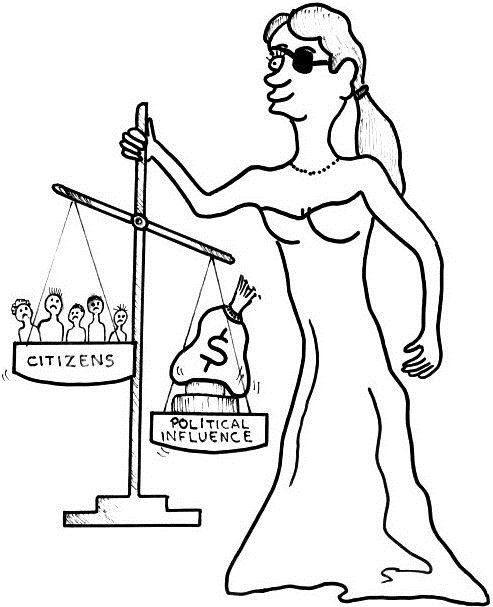
“Justice” is most commonly thought of in terms of courts of law, epitomized by a blind goddess holding a scale – and often a sword. Thus justice can be seen – and is seen by many – as punishment for crime s or transgressions. The rule of law may be necessary for a civilized society, but legal decisions, even in country such as ours, are not always just: think of the death sentences overturned by new DNA evidence, of the cases right here in Texas where a person was convicted of a capital crime while their court-appointed attorney dozed through the trial. Justice is, perhaps, in the eye of the beholder.

In the field of medical ethics, justice is one of the four key principles, but probably the least discussed. We often hear student groups discuss the relative implications of “non-maleficence” (do no wrong) and “autonomy”, as, for instance, when a person wishes a costly intervention that physicians believe will not help and may hurt (the fourth is "beneficence", do the right thing). But “justice” refers to the concept that people with the same conditions should have the same treatments available.  What, then, is “social justice”?

Also known as “distributive justice”, the term social justice was popularized by the philosopher John Rawls in the 1970s, although obviously the concept has been in existence, in one form or another, for centuries. In “A Theory of Justice”, Rawls writes:
“All social primary goods – liberty and opportunity, income and wealth, and the bases of self-respect – are to be distributed equally unless an unequal distribution of any or all of these goods is to the advantage of the least favored.”[1]
While this seems pretty expansive, as it says “distributed equally”, the inclusion of the phrase “to the advantage of the least favored” suggests that things are not completely equal because there are people who are least favored. For example, even in a much more equal society, some people may be suffering from physical or mental challenges that require them to utilize more resources. From a medical perspective, we have to consider whether  people who advocate for the disabled, or the expenditure of large amounts of money for the diagnosis and / or treatment for those who are close to them may see it as their individual “right”, but do not necessarily support other people having the same rights.

A somewhat earlier authority, Franklin Roosevelt, said that "The test of our progress is not whether we add more to the abundance of those who have much; it is whether we provide enough to those who have too little." This does not suggest that everything be divided equally, but makes a different moral claim: that what we do as a society (and it is fine to read “government”) should be to help those who need the help most rather than those who need it the least. Often in history, including today, that concept is rejected by many. In any case it is clear that, today in US, we do not have a system of social justice such as that described by either Rawls or Roosevelt; rather We have a system in which the most privileged exert great influence, and (mostly seem to) use it to increase their privilege. More modern discussions of social justice and medicine can be found in the many writings of Paul Farmer, including Pathologies of Power and Partner to the Poor: A Paul Farmer reader, and in the online journal Social Medicine, published by the Department of Family and Social Medicine at Montefiore Medical Center/Albert Einstein College of Medicine.

What are human rights? The most authoritative modern definition is that of the UN Universal Declaration of Human rights, passed in 1948. Article 25 states that:
“Everyone has the right to a standard of living adequate for the health and well-being of himself and of his family, including food, clothing, housing and medical care and necessary social services, and the right to security in the event of unemployment, sickness, disability, widowhood, old age or other lack of livelihood in circumstances beyond his control.

According to the UN Association of Canada (UNAC), while “originally the Universal Declaration was conceived as a statement of objectives to be pursued by Governments, and therefore it is not part of binding international law…. it is still a potent instrument used to apply moral and diplomatic pressure on states that violate the Declaration’s principles…. in 1968, the United Nations International Conference on Human Rights agreed that the Declaration ‘constitutes an obligation for the members of the international community to protect and preserve the rights of its citizenry.’”

So, then, how is social justice related to health, health care, and medicine? In 1978, the World Health Organization issued the “Declaration of Alma-Ata” (now called Almaty, it was then but is no longer the capital of Kazakhstan which was then but is no longer part of the Soviet Union!). It defined “health” as ““...a state of complete physical, mental and social wellbeing, and not merely the absence of disease or infirmity…” and asserted that it “… is a fundamental human right...” This has been an important cornerstone statement for the development of health care and primary care for the last 40+ years. Primary Health Care, which was also defined at Alma-Ata, is integrally tied to the definition of health:
Primary health care is essential health care based on practical, scientifically sound and socially acceptable methods and technology made universally accessible to individuals and families in the community through their full participation and at a cost that the community and country can afford to maintain at every stage of their development in the spirit of self-reliance and self-determination”
Note here that health care is not limited to medical care, and that it is to be “universally” accessible. This statement makes an effort here to account for the different economic ability of different countries. I once heard a presentation on the Mexican health care system, which seems structured to provide universally accessible care, but does not always achieve this goal.  I concluded that in Mexico, they have the desire to provide universal access, but not the resources, while in the US we have the resources but not the desire. Under a social justice framework, this is far less defensible.

In 1848, the Prussian government sent a young physician named Rudolf Virchow to investigate an outbreak of typhus in the coal-mining region of Upper Silesia. His conclusion, that the social and economic situation of the residents was the main cause, is one of the first clear discussions of the social determinants of health; though he is famous for advancing the Cell Theory and his name is attached to dozens of medical eponyms (Virchow’s node, Virchow cells, Virchow’s autopsy, etc.), he may be best known as the “Father of Social Medicine”. In his report he observes that:
“The physicians are the natural advocates of the poor, and social problems fall to a large extent within their jurisdiction,” and that
“Medicine has imperceptibly led us into the social field and placed us in a position of confronting directly the great problems of our time.”

Of course, today we see much less typhus, but we still see much disease that results from social conditions. And typhus itself is not completely gone. In the 1983 Gregory Nava film El Norte”, one of the lead characters, after finally reaching Los Angeles at the end of a long and grueling journey from Guatemala, dies of typhus contracted when she was crawling through sewers. Would she have gotten typhus if she had not been crawling through sewers? Unlikely. The “medical” question of “why” she got typhus would be that she was bitten by a rat-flea carrying Rickettsia typhae. But we must ask the next question, “where was she that she got bitten by a rat-flea?” and in discovering that it was in a sewer we must ask “why was she crawling through a sewer?” Finally, our question must be “what is wrong with a situation in which a person crawling through a sewer infested with rats, fleas, and Rickettsia typhae is better than the alternative?

{to be continued}


[1] Rawls J. A Theory of Justice. Belknap Press. Cambridge MA. 1971. P. 303.

Saturday, May 12, 2012

Specialty Hospitalists: what is best for the patient?


In a “Viewpoint” article in JAMA, April 25, 2012, John Nelson, Laurence Wellikson, and Robert Wachter discuss “Specialty hospitalists: analyzing an emerging phenomenon”.[1] They describe the progression of the hospitalist model – doctors who just care for patients in the hospital, rather than seeing them also in the office from general medical care to specialty care. They note that in recent years hospitals have hired physicians in a variety of specialties, including neurology, orthopedics, obstetrics/gynecology and others, to take care of patients, particularly at night or in emergency situations, so that other doctors to not have to come in to do so.

An argument in favor of this arrangement is that these physicians are present for urgent events (e.g., the neurology stroke specialist who is there right away to care for a person who comes to the emergency room with an acute stroke) and that they may have specialized knowledge that a more “general specialist” doesn’t. In a useful “box”, the authors summarize the criteria that might be applied to deciding if a specialty hospitalist is a good idea. These include the number of inpatients who might require their services, the urgency of the need for those services (is it a matter of minutes that may save a life?), whether the other specialists are so tied up in the operating room or office that they could not respond promptly, and if there so much “sub-specialization” that many doctors in that specialty would not be capable of addressing the needs that arise in the hospital.

I have previously written about “generalist” hospitalists, (Hospitalists, Dec 4, 2008) and expressed my concerns about this movement from the point of view of the patient. The advantage for hospitals and health systems that employ physicians is obvious – they can have some doctors that work in the ambulatory setting, and some that work in the hospital, and each can be most “productive” in that setting and not have to leave to go to the other, decreasing efficiency.  In theory, at least, the hospitalists are very good at managing the problems of people in the hospital, so quality may improve. And, to be sure, doctors often like it also – it makes their lives easier, or more controllable – they are only responsible for outpatient medicine, and don’t have to travel to the hospital to see their patients, or if they are hospitalists, don’t have to go to the office. While not one of those listed by Nelson et al. as a benefit of having hospitalists, this advantage for doctors is real.They can work set shifts, like many of the most popular specialties such as emergency medicine and anesthesiology and intensive care – and then be off.  

This, of course, leaves the patients. While hospitalized patients certainly want to be cared for by a physician or physicians who are skilled in addressing the problems that they have, it is also often a very scary time, and a good time to have the involvement of someone who knows you, who knew what you were like before you got so ill that you had to be hospitalized. Your primary care doctor, if you are lucky enough to have one. The technical skills of the hospitalist may be fine, but they do not know what you were like before, and will not be involved in your care after, your hospitalization. Plus the same attractions that lead to hospitalists in the first place now have led to a sub-species of hospitalist called “nocturnists”, and mean that you will not necessarily even have the same hospitalist making decisions about your care, even during the day, for the duration of your stay.

In addition, the skill sets of hospitalists vary. Dr. Wachter is one of the founders of the hospitalist movement and heads a long-standing hospitalist service at the University of California San Francisco (UCSF). His 1996 article, The emerging role of "hospitalists" in the American health care system,[2] written with Lee Goldman, is one of the seminal articles in the field. But the results that are achieved by teams of experienced career hospitalist groups such as his, in terms of both quality and cost, may well not be replicated by hospitalists who are just out of their residency training and spending a year working in this role prior to subspecialty fellowships in cardiology or gastroenterology. Nelson, et al., cite a study by Seiler et al. showing that patient satisfaction with hospitalist care is equal to that provided by primary care doctors,[3] but this doesn’t separate out the satisfaction of patients who have primary care doctors who are now not seeing them from those who do not.

That said, I do not have a problem with most specialty hospitalists. Specialists are not generalists, unlike primary care providers, we don’t think that every person should have one of each. The person who comes in to the Emergency Department with an acute stroke and benefits from having a stroke neurologist right there is not likely to have a general neurologist. The same can be said for orthopedics and otorhinolaryngology (ENT) and neurosurgery, among others, or for people who need emergency intervention for an acute heart attack. The case of “laborists” is somewhat different; the women having a baby (arguably the most common reason for people being glad to be in the hospital) who has been followed by an obstetrician or family doctor might well want and expect to be delivered by that doctor (a point acknowledged by Nelson). While many primary care doctors would like to provide this continuity to their patients, they may be unable to in the system they work in. And if it is not their “fault”, it is a pretty guilt-free way to enjoy the benefit.

If the hospitals and health systems make more money and operate more “efficiently” with separate hospitalist and “ambulists” (yes, this term is being used by some!), and if the doctors are happy with the arrangement because it makes their lives more controllable, the boat on generalist hospitalists and “laborists” has probably already sailed, at least in communities large enough for this to be feasible.

Anyone who has flown in and out of the Kansas City International Airport (KCI) knows what a pleasure it is compared to other airports in even relatively big cities. Built on only one level in 3 almost-circular terminals, there are only a few gates for each security checkpoint so the lines are relatively short (compared to, say, the nightmare at Denver International). Once you come in you get off your plane, walk right out into the hall where your baggage carousel is nearby, and then you walk right out to the street (even sooner if you have no checked bag), where you can be picked up or go to your car in the garage right there. It is a true pleasure for the traveler.

But it is not so desirable for the airport and airlines. I have heard that this setup requires more security people than any airport except Heathrow. There are rumblings about redesigning, maybe rebuilding, the airport to make it more “efficient”. Sure, it will be worse for the traveler, but that’s the way it goes.

So maybe you want to ask your doctor if s/he will see you in the hospital. And let the hospital and health system know that you think it is important, too. It is unreasonable to ask your primary care doctor to work a full day in the office and also care for patients in the hospital; that time needs to be built into their schedules by their employers. It could work; you never know. What’s good for people sometimes actually happens.

And if you haven’t flown in and out of KCI, you should do it soon before it becomes Denver. 


[1] Nelson JR, Wellikson L, Wachter RM. Specialty hospitalists: analyzing an emerging phenomenon. JAMA. 2012 Apr 25;307(16):1699-700.
[2] Wachter RM, Goldman L., The emerging role of "hospitalists" in the American health care system, N Engl J Med. 1996 Aug 15;335(7):514-7.
[3] Seiler A, Visintainer P, Brzostek R, et al. Patient satisfaction with hospital care provided by hospitalists and primary care physicians. J Hosp Med. 2012;7(2):131–136, pmid:22042532.

Saturday, May 5, 2012

Value-based purchasing: whose values?


In October, hospitals around the country will begin having their payments from Medicare affected by the Value-Based Purchasing Program (VBP). The plan is that a portion of the money that hospitals would have received (beginning at 1% and rising gradually to 2% by 2017) will be withheld and then re-distributed based on a variety of performance measures, with low-performing hospitals losing money and high-performing hospitals getting bonuses. The measures that will be used in federal FY 2013 (which starts in October 2012) are “clinical process” and “patient satisfaction” indicators; they will be expanded the next year to include also patient mortality, hospital-acquired conditions, and patient safety measures. These are succinctly portrayed in a helpful “box” within the short Perspective “Making the best of hospital pay for performance” by Andrew Ryan and Jan Blustein in the New England Journal of Medicine, April 26, 2012.

Ryan and Blustein review the history of previous “pay for performance” efforts by Medicare, noting that a demonstration project begun in 2004 that required hospitals to report their quality data and paid money to those hospitals that did well had initial success. However, this success was not replicated in the second phase of the project beginning in 2006; while there was “…an increase of nearly 50% in the total amount of incentives paid out…these changes did not catalyze additional quality improvement…improvement relative to comparison hospitals actually declined.” Moreover, a similar “…program implemented by Medicaid in Massachusetts with incentives approximately 5 times the size…also showed that pay for performance had no effect on quality.”

They go on to observe that this is not necessarily a completely fair comparison because, for example, the economy was different in the two 3-year periods (always a problem for research in the real world; it changes!). But they remain guardedly optimistic about, or at least resigned to, VBP; their final line, scarcely a rousing call to action, is “It will be critical to ensure that VBP is as good as it can be.” They call for the Patient-Centered Outcomes Research Institute (PCORI, see Patient-centered research: answering the questions that matter to people, April 22, 2012) to study it.

The other thing that will be important is how well the quality measures actually measure quality. Of the initial two, “clinical process”, which accounts for 70% of the withhold, are the same ones that have been in place for several years (such things as getting a beta-blocker after a heart attack and getting antibiotics within a certain period of time if you are diagnosed with pneumonia). “Patient satisfaction” is also a good thing; clearly we all want hospitals to be clean and quiet and to have doctors, nurses and others communicate with us clearly and completely. Keeping people out of pain in the hospital is also the right thing to do, but sometimes (although more often in outpatient settings) it comes into conflict with efforts to monitor how often doctors prescribe narcotics. In an interesting piece in the “Science Times” section of the NY Times on May 1, 2012, E.R. Doctors Face Quandary on Painkillers by Catherine Saint Louis, an emergency room doctor notes this conflict and observes “If you’re going to criticize me for not giving out narcotics, and you never praise me for correctly identifying a drug-seeker, then I’m going to give out narcotics.” Indeed. While this stimulus-response (known as the Hawthorne effect – behavior changes depending on what is being measured) is the basic idea behind VBP (along with monetary incentives), it illustrates that sometimes incenting a desired behavior can have an unintended negative impact.

In general, hospitals, especially the more financially successful ones, are very good at modifying their behavior in response to economic incentives. While we can hope that this results in higher-quality care for patients, all too often it appears that they are just “gaming the system”, seeking to do only those things that make them money and avoiding patients who may put them at risk. The problem is that not all hospitals are starting off with equal resources, and those with the biggest challenges (in terms of unreimbursed patients) will probably do worse under such a system. While Ryan and Blustein note that “CMS has pledged to monitor whether VBP leads to ‘changes in access to [care] and the quality of care furnished to beneficiaries, especially among vulnerable populations”, the also observe that impact on hospital bottom lines is likely to precede any significant quality changes and that the impact may be particularly great on “…safety net hospitals, which operate of very small margins.”

This is, to me, very important, because these are the hospitals that provide disproportionate care to poor, uninsured, and generally medically underserved people. Because such hospitals are often located in poor neighborhoods or rural areas, or because they depend on (almost constantly decreasing) public funding, they are not among those that already have a robust bottom line and will be able to invest in the equipment and process changes needed to be the “winners” in VBP. They are also likely to have a lower percent of Medicare patients, in part because once people, even poor people, receive Medicare they are no longer uninsured, they can and sometimes do go to hospitals perceived as “better”, and because the proportion of people who are sick enough to be in the hospital despite being younger (under 65) rises as socioeconomic status decreases (see “social determinants of health”, discussed in several previous blogs, including Michael Marmot, the British Medical Association, and the Social Determinants of Health, November 1, 2011 and Social Determinants, Personal Responsibility, and Health System Outcomes, September 12, 2010).

When I first heard of value-based purchasing my initial reaction was both pleased and confused. Wow, I thought, they are actually going to pay for medical care based upon values? I almost immediately realized my mistake – that their main “value” was paying less money. It is possible that the “other kind” of values do play a part; if Medicare is going to pay more for higher quality, or less for lower quality, that is something. But there is another value that is still missing, and that is the value of ensuring that access is high-quality is available to and provided for everyone. Hospitals (the “high end” ones) are already trying to figure out how they can divest themselves of Medicare patients, on whom they already make less money, and replace them with patients with better insurance. To the extent that they are successful, it will just add Medicare recipients to the growing list of “less desirable” patients.

Maybe we need to move to a program in which no people are “less desirable”. Where everyone is covered. Where hospitals that care for the most needy do not suffer as a result; where hospitals that cater to the least needy do not profit from this decision.

Then, perhaps, Medicare – for all – could really base its payments on value, and on values.

Total Pageviews